August 2026: Regulated Tokenization Pipeline Led by GPU Financing
Published • 31 Aug 2026
5 mins
.jpg%3Fprefix%3Dmedia&w=3840&q=75)
August was about what happens after an asset gets tokenized. On August 18 we opened a regulated pipeline for real-world asset issuance in El Salvador. The first deal is a tokenized GPU forward, still in structuring, built so it can trade and, once it has enough market depth, be posted as collateral to mint USDf.
USDf & sUSDf Updates
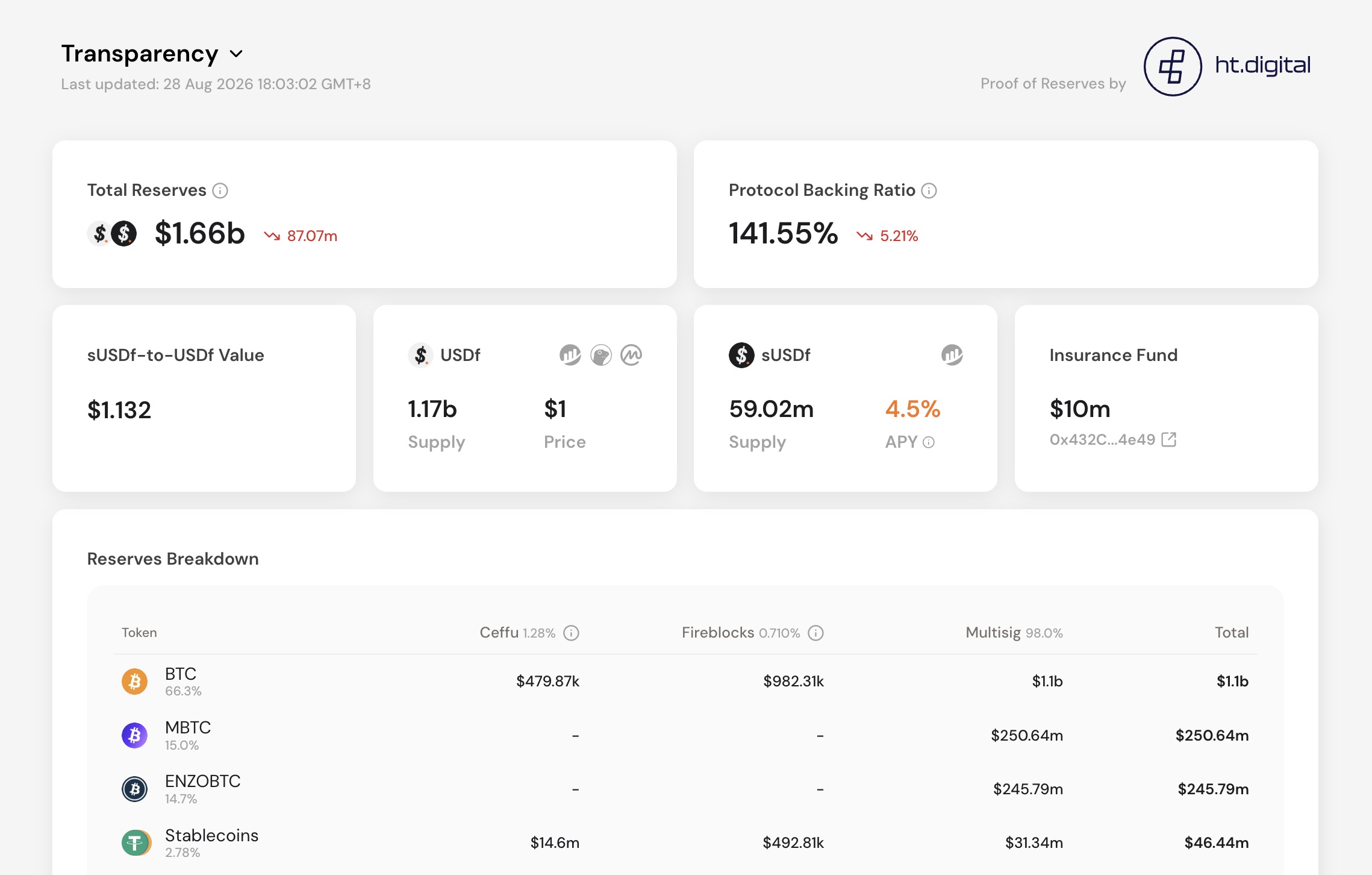
As of the transparency dashboard capture on August 31, USDf supply sits at $1.18b, with $59.0m in sUSDf. Total reserves are $1.67b, putting our backing ratio at 141.6%. sUSDf is delivering 4.51% APY, supported by a $10 million insurance fund.
A few more details worth keeping close:
- Reserve exposure remains led by BTC at 66.3% (~$1.11b), followed by mBTC at 15.0% and enzoBTC at 14.7%, with the rest across stables and select crypto.
- sUSDf marked at about $1.132. per unit in the same live capture.
Key Announcements
Falcon Finance Opens Regulated Tokenization Pipeline in El Salvador, Led by GPU Financing
On August 18 we announced a regulated pipeline for tokenized real-world asset issuance in El Salvador. The first issuance is a tokenized GPU forward that finances compute infrastructure. It is currently in structuring. High-end GPUs often sit four to eight months between payment and delivery. This instrument finances that wait: it is issued below face value, moves up to par over that period, then pays from the lease income once the hardware is racked. NEAR AI is the anchor buyer of the compute those GPUs will produce, and a technology partner. vGPU supplies, installs, and services the equipment.
Assets from the pipeline are designed to trade on open venues, including Uniswap. Once an asset shows enough trading volume and depth, it can be accepted as Falcon collateral, and a holder can post it to mint USDf. If you are an issuer, you can submit an asset for review at tokenize.falcon.finance
Ecosystem Growth and Partnerships
Who issues on this pipeline
In El Salvador, tokenized real-world asset issuance is carried out by NOTA S.A.S. de C.V. (PSAD-0088), licensed under the Digital Assets Issuance Law administered by CNAD. It is the same regime under which Tether Gold is issued. Assets mint and redeem through a permissioned, KYC-gated process, then can trade on open onchain venues under that license.
Compute is the first lane. Sovereign debt and energy and infrastructure financing are in early discussions. The categories we work across are compute and hardware financing, commodities and precious metals, energy and infrastructure, and private credit.
fUSD is still the institutional rail
On August 21 we recapped the stack that is already live while the first El Salvador issuance is being structured. fUSD remains the Anchorage-issued institutional dollar, GENIUS-ready, with about 3% T-bill rewards for qualifying desks. Same direction as USDf, different users.
Community
Falcon Card: from crypto to RWAs, mint USDf then spend
Falcon Card stayed in the mix after the July launch. On August 7 we noted that of about $390 billion in stablecoin payments a year, only about 1% ($4.5 billion) goes through cards. The rest is mostly B2B, remittances, and treasury. Everyday spend is still the outer ring. On August 14 we asked who is already minting USDf against tokenized stocks and buying coffee. If you are verified and eligible, Falcon Card is live in 90+ countries: collateral to USDf to spend.
FF ranks #1 in 2025 token sale ROI
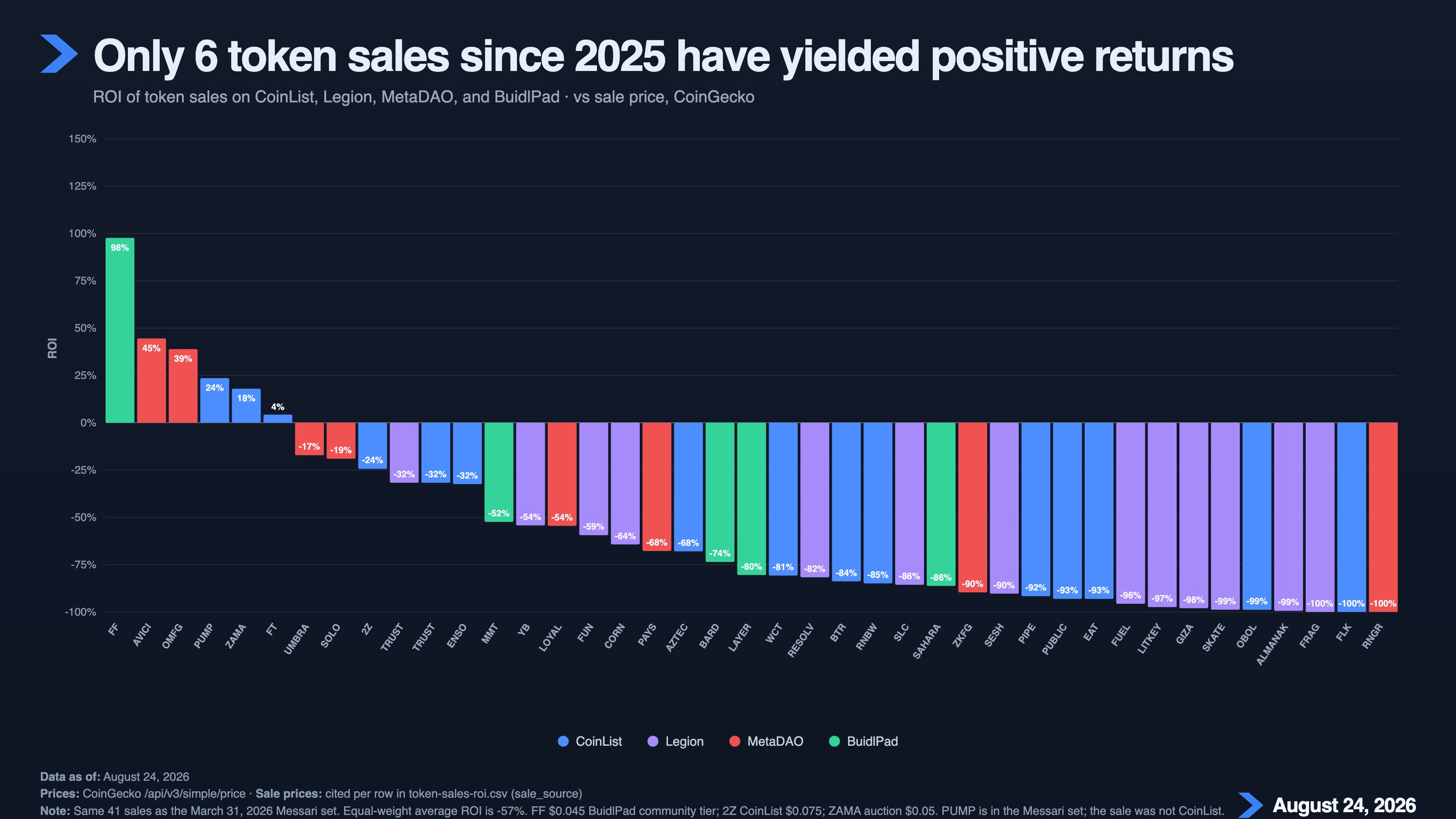
On August 25 we came back to a Messari set of 41 token sales from late March. We ran the numbers again. Six of those sales are still in the green, and FF ranks #1 in that group with a 98% ROI. We’re grateful for your continued support!
Insights, Media and AMAs
Why start with GPUs
On August 11 we pointed at the financing gap the GPU forward is built for. Goldman’s baseline puts AI compute capex at about $5.1 trillion from 2026 through 2031. NVIDIA signed MOUs with Apollo, BlackRock, Blackstone, Brookfield, Goldman, and KKR on financing platforms targeting more than $500 billion in third-party capital, and Goldman has talked about a credit market backed by NVIDIA compute. Most of that credit still sits with private syndicates. A tokenized GPU forward is how that exposure can trade, and later be used as collateral.
Distributed RWAs hit another high
On August 3 we said tokenized RWAs were about $37 billion, and that most of that value still looked like inventory rather than liquidity. By August 21, distributed RWAs had printed another all-time high at $38.4 billion. U.S. Treasuries still lead at $16.15 billion. Tokenized credit is second at $7.36 billion once you add asset-backed, specialty finance, corporate, and diversified books. That credit book is the market the El Salvador pipeline is meant to serve.
Tokenized stocks went from wallets to a policy headline
On August 13 we quoted a report that the SEC is preparing an "innovation exemption" for 24/7 blockchain trading of tokenized stocks. We noted we have been doing 24/7 blockchain trading for years. On August 27 we posted that total RWA asset holders reached 2.93 million, up 104% in 30 days, because tokenized stocks fit in a personal wallet. That is the user side of the same map: more people holding tokenized stocks, and a live path on Falcon to mint USDf against eligible ones.
What's Next?
The first GPU forward is still in structuring. Next we turn that issuance, and the assets submitted at tokenize.falcon.finance, into listings that can actually trade and, with enough depth, mint USDf. Falcon Card and fUSD stay live while that work happens. Reserves stay visible on the Transparency Dashboard, as always. Thank you for reading, and for building this with us.
Tags